
How to Select the Right Pigment for Plastic Manufacturing?
Pigment selection plays a crucial role in determining the overall quality, appearance, and performance of plastic products. In today’s competitive market, manufacturers are not only focused on producing durable plastic products but also on creating visually appealing products that attract customers and strengthen brand recognition. This is where choosing the right plastic pigments becomes extremely important.
The quality of pigments for plastics directly impacts color consistency, processing efficiency, weather resistance, and long-term product durability. A poorly selected pigment can result in uneven coloration, color fading, reduced UV stability, and even production issues during molding or extrusion processes. These problems can increase manufacturing costs and affect customer satisfaction.
Modern industries such as packaging, automotive, agriculture, construction, household products, and consumer goods rely heavily on high-performance color pigments to maintain product quality and visual appeal. Whether manufacturers require bright shades, heat-resistant colors, or weather-stable formulations, selecting the appropriate organic pigments or inorganic pigments is essential for achieving the desired results.
As the demand for premium-quality plastic products continues to grow, working with an experienced pigment manufacturer can help businesses improve production efficiency while ensuring superior color performance across multiple applications.

Understand the Type of Plastic Material
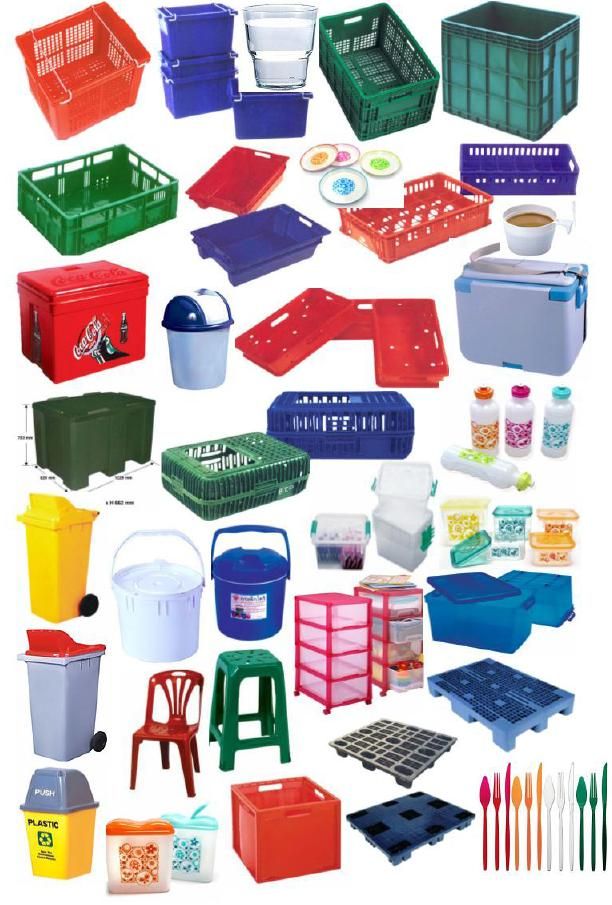
Different plastic materials have unique processing temperatures and performance characteristics, making pigment compatibility an important consideration. Materials such as polypropylene (PP), polyethylene (PE), PVC, ABS, and PET require carefully selected plastic pigments to achieve optimal color consistency and processing stability. Choosing the wrong pigment may result in poor dispersion, shade variation, or reduced product performance.
Before selecting a pigment, manufacturers should evaluate the type of polymer being used and the conditions under which it will be processed. Certain organic pigments are ideal for vibrant colors and consumer products, while inorganic pigments are often preferred for applications requiring higher thermal stability and durability. Understanding the relationship between pigments and plastic materials helps ensure better manufacturing efficiency and long-term product performance.
Consider Color Strength and Shade Requirements
Color strength is one of the most important factors when selecting pigments for plastics. Strong pigments can achieve the desired shade using lower dosage levels, helping manufacturers reduce production costs while maintaining excellent color quality. Industries producing packaging materials, toys, household products, and consumer goods often prioritize pigments that deliver bright and attractive colors.
Organic pigments are widely known for their vibrant shades and excellent tinting strength, making them suitable for applications where appearance is a key factor. In contrast, inorganic pigments generally provide more stable and durable coloration for industrial applications. Choosing the right color pigments ensures attractive product appearance, better color consistency, and improved manufacturing efficiency.

Evaluate Processing Conditions
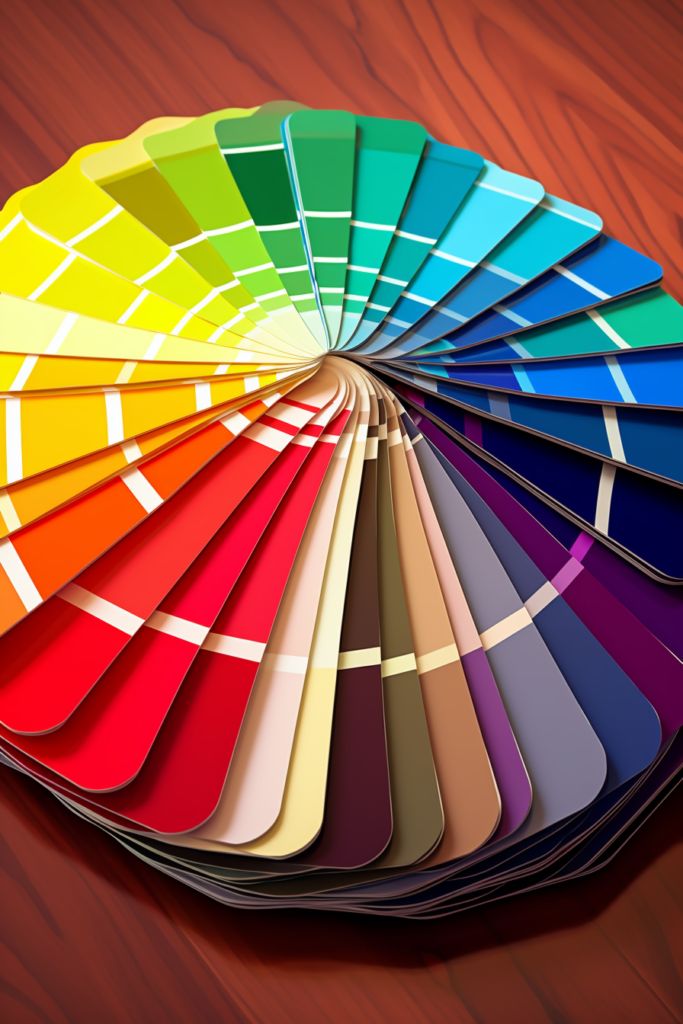
The processing conditions used during plastic manufacturing play a major role in pigment selection. Different manufacturing techniques such as injection molding, extrusion, blow molding, and rotational molding expose pigments to varying temperatures and pressures. Selecting plastic pigments that can withstand these conditions helps maintain color consistency and product quality throughout the production process.
Manufacturers should always evaluate the thermal stability and processing performance of pigments for plastics before finalizing a formulation. Choosing pigments specifically designed for plastic applications helps reduce production defects and ensures reliable color performance across multiple batches.
1. Assess Weather and UV Resistance
Plastic products used outdoors require pigments that can withstand prolonged exposure to sunlight, moisture, and environmental changes. Poor-quality pigments may fade over time, reducing product appearance and overall durability. This is especially important for products used in agriculture, construction, automotive, and outdoor furniture applications.
High-quality industrial pigments with excellent UV stability help maintain color performance even in harsh outdoor environments. Selecting weather-resistant organic pigments or inorganic pigments ensures longer product life and reduces maintenance or replacement costs.
2. Check Chemical Resistance Requirements
Many plastic products come into contact with oils, solvents, fertilizers, cleaning agents, and industrial chemicals. In such situations, selecting pigments with strong chemical resistance becomes essential. Pigments that are not chemically stable may discolor, degrade, or lose performance over time.
Industries such as agrochemicals, industrial packaging, and automotive manufacturing often require specialized pigments for plastics that can maintain their properties under demanding conditions. Choosing chemically resistant pigments improves product reliability and long-term performance.
3. Focus on Dispersion Quality
Good pigment dispersion is critical for achieving uniform coloration in plastic products. Poorly dispersed pigments can create streaks, spots, and uneven color distribution, negatively affecting product quality and appearance. Manufacturers should always select pigments that are specifically engineered for easy dispersion in plastic polymers.
High-quality plastic pigments provide better processability, improved color consistency, and reduced manufacturing waste. Proper dispersion also enhances the overall visual appeal of the final product.
4. Consider Safety Compliance
Many plastic products must comply with industry regulations depending on their end-use application. Products used in food packaging, toys, healthcare, and consumer goods often require pigments that meet strict safety and environmental standards.
Working with a trusted pigment manufacturer helps ensure that the selected pigments comply with applicable regulations while maintaining excellent performance and color quality. Regulatory compliance is becoming increasingly important as industries focus on sustainability and product safety.
Partner with a Reliable Pigment Manufacturer
Choosing the right pigment supplier is just as important as selecting the pigment itself. An experienced pigment manufacturer can provide technical support, color matching expertise, product recommendations, and consistent product quality. This helps manufacturers improve production efficiency and achieve better results.
Reliable suppliers also offer a wider range of organic pigments, inorganic pigments, industrial pigments, and plastic pigments, making it easier for businesses to find solutions tailored to their specific applications and requirements.


Conclusion
Selecting the right pigment for plastic manufacturing is essential for achieving consistent color quality, product durability, and long-term performance. Factors such as polymer compatibility, color strength, heat resistance, weather stability, chemical resistance, and dispersion quality all play a crucial role in determining the effectiveness of a pigment solution.
Whether you are looking for organic pigments, inorganic pigments, industrial pigments, or pigments for plastics, choosing the right product can significantly improve manufacturing efficiency and final product quality. By partnering with a trusted pigment manufacturer, businesses can ensure reliable color performance, regulatory compliance, and superior results across a wide range of plastic applications.
Frequently Asked Questions (FAQs)
The best pigment depends on the application, processing temperature, and performance requirements. Organic pigments are preferred for vibrant colors, while inorganic pigments are commonly used for applications requiring superior heat resistance and durability.
Organic pigments offer brighter shades and excellent color strength, whereas inorganic pigments provide better weather resistance, thermal stability, and long-term durability. Both are widely used in plastic pigments depending on the application requirements.
Pigments provide color, improve product appearance, support brand recognition, and enhance the overall visual quality of plastic products. High-quality pigments for plastics also contribute to better durability and color consistency.
Manufacturers should evaluate polymer compatibility, processing temperature, UV resistance, chemical exposure, color requirements, and regulatory compliance before selecting a pigment solution.
Yes. The quality and type of pigment used can influence UV resistance, weather stability, heat resistance, and long-term product performance. Selecting suitable industrial pigments helps improve durability and product lifespan.